

As a supplier of cut and bent fabric, I often encounter inquiries regarding the appropriate glue for use on this type of material. Cut and bent fabric, which you can explore more about Cut and Bent Fabric, presents unique challenges due to its specific structure and application requirements. In this blog post, I will delve into the various types of glue that can be effectively used on cut and bent fabric, considering factors such as adhesion strength, flexibility, and durability.

Understanding Cut and Bent Fabric
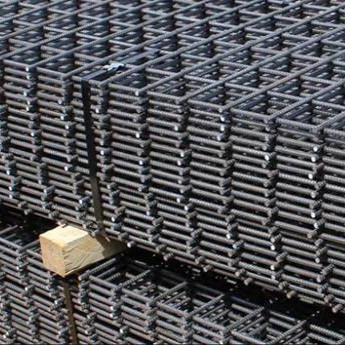
Before discussing the suitable glues, it's essential to understand the nature of cut and bent fabric. This fabric is typically made from steel wire, which is cut and bent into specific shapes and sizes to meet the needs of different construction and industrial applications. It is commonly used in concrete reinforcement, fencing, and various structural projects. The cut edges and bends in the fabric create areas where traditional gluing methods may face difficulties, as the glue needs to adhere firmly while also accommodating the movement and stress that the fabric may experience.
Types of Glues for Cut and Bent Fabric
Epoxy Resins
Epoxy resins are a popular choice for bonding cut and bent fabric. They offer excellent adhesion strength, which is crucial for ensuring that the fabric remains intact under various loads. Epoxy resins work by chemically reacting when two components, a resin and a hardener, are mixed together. This reaction creates a strong, rigid bond that can withstand high levels of stress.
One of the key advantages of epoxy resins is their resistance to chemicals, moisture, and temperature variations. This makes them suitable for outdoor applications where the fabric may be exposed to harsh environmental conditions. Additionally, epoxy resins can be formulated to have different curing times, allowing for flexibility in the application process.
However, epoxy resins also have some limitations. They can be relatively brittle, which may not be ideal for applications where the fabric needs to flex or bend. Additionally, the curing process of epoxy resins can be sensitive to temperature and humidity, so proper environmental conditions need to be maintained during application.
Polyurethane Glues
Polyurethane glues are another option for bonding cut and bent fabric. These glues are known for their high flexibility and excellent adhesion to a wide range of materials, including steel. Polyurethane glues work by reacting with moisture in the air or on the surface of the fabric to form a strong bond.
One of the main advantages of polyurethane glues is their ability to withstand movement and vibration. This makes them suitable for applications where the fabric may be subject to dynamic loads, such as in machinery or automotive components. Polyurethane glues also have good resistance to water, chemicals, and UV radiation, making them suitable for outdoor use.
However, polyurethane glues can be more expensive than other types of glues, and they may require longer curing times. Additionally, they can be sensitive to moisture during the curing process, so proper storage and handling are essential.
Cyanoacrylate Glues
Cyanoacrylate glues, also known as super glues, are a fast - acting option for bonding cut and bent fabric. These glues work by rapidly polymerizing when they come into contact with moisture on the surface of the fabric, creating an almost instant bond.
Cyanoacrylate glues offer high initial adhesion strength, which can be beneficial for applications where a quick fix is needed. They are also relatively easy to apply, as they come in small tubes or bottles. However, cyanoacrylate glues are generally brittle and may not be suitable for applications where the fabric needs to flex or bend. They also have limited resistance to high temperatures and chemicals.
Silicone Adhesives
Silicone adhesives are a versatile option for bonding cut and bent fabric. They offer excellent flexibility, which makes them suitable for applications where the fabric needs to move or bend. Silicone adhesives also have good resistance to heat, cold, moisture, and UV radiation, making them suitable for a wide range of environmental conditions.
One of the advantages of silicone adhesives is their ability to bond to a variety of surfaces, including steel and other metals. They also have a relatively long shelf life and can be easily applied using a caulking gun. However, silicone adhesives may have lower initial adhesion strength compared to some other types of glues, and they may take longer to fully cure.
Factors to Consider When Choosing a Glue
When selecting a glue for cut and bent fabric, several factors need to be considered:
Adhesion Strength
The adhesion strength of the glue is crucial, as it determines how well the fabric will remain bonded under various loads. Different applications may require different levels of adhesion strength, so it's important to choose a glue that meets the specific requirements of the project.
Flexibility
If the fabric is likely to be subject to movement or bending, a flexible glue such as polyurethane or silicone adhesive may be more suitable. A brittle glue like epoxy or cyanoacrylate may crack or break under stress, leading to a loss of adhesion.
Durability
The glue should be able to withstand the environmental conditions to which the fabric will be exposed. This includes factors such as temperature, moisture, chemicals, and UV radiation. For outdoor applications, a glue with good resistance to these elements is essential.
Curing Time
The curing time of the glue can affect the efficiency of the bonding process. Some glues, such as cyanoacrylate, cure very quickly, while others, like epoxy and silicone, may take longer. Consider the time available for the bonding process and choose a glue with an appropriate curing time.
Compatibility
The glue should be compatible with the material of the cut and bent fabric. Most glues are designed to bond to specific materials, so it's important to ensure that the glue you choose is suitable for steel or the other materials used in the fabric.
Applications of Cut and Bent Fabric and Suitable Glues
Concrete Reinforcement
In concrete reinforcement applications, Welded Mesh Fabric and cut and bent fabric are commonly used. Epoxy resins are often a good choice for bonding the fabric in this application, as they offer high adhesion strength and resistance to the alkaline environment of concrete. The rigid bond provided by epoxy resins helps to ensure that the fabric remains in place and provides effective reinforcement.
Fencing
For fencing applications, where the fabric may be subject to wind, impact, and environmental exposure, polyurethane glues are a suitable option. Their flexibility allows the fabric to withstand movement without losing adhesion, and their resistance to water and UV radiation helps to ensure long - term durability.
Structural Projects
In structural projects, Standard Steel Fabric and cut and bent fabric are used to provide support and stability. Depending on the specific requirements of the project, either epoxy resins or silicone adhesives may be used. Epoxy resins offer high strength for static loads, while silicone adhesives provide flexibility for dynamic loads.
Conclusion
Choosing the right glue for cut and bent fabric is essential to ensure the success of your project. By considering factors such as adhesion strength, flexibility, durability, curing time, and compatibility, you can select a glue that meets the specific needs of your application. Whether you are using cut and bent fabric for concrete reinforcement, fencing, or structural projects, there is a suitable glue available to provide a strong and reliable bond.
If you are interested in purchasing high - quality cut and bent fabric or have any questions regarding the gluing process, please feel free to contact us. We are here to provide you with the best products and solutions for your needs.
References
- "Adhesives and Sealants Handbook" by David A. Dillard
- "Handbook of Adhesive Technology" by Andrew Pizzi and K. L. Mittal
- Industry research reports on cut and bent fabric and adhesive applications