

Hey there! I'm in the cut and bent fabric supply business, and today I wanna share some tips on how to cut and bend fabric for a bedspread. Whether you're a DIY enthusiast or a professional in the bedding industry, these insights can come in handy.
Let's start with the basics. When you're dealing with fabric for a bedspread, the first thing you need to do is choose the right type of fabric. There are so many options out there, from cotton to silk, and each has its own characteristics. For a bedspread, you'll want something that's soft, durable, and easy to work with. I often recommend cotton blends because they're comfortable, machine - washable, and come in a wide range of colors and patterns.
Once you've picked your fabric, it's time to measure. Measuring accurately is super important. You don't want your bedspread to be too small or too big. Start by measuring your bed. Get the length, width, and the drop (how far down you want the bedspread to hang on the sides). A standard drop is around 15 - 20 inches, but it can vary depending on your personal preference.
Now, let's talk about cutting. Before you start slicing away, it's a good idea to pre - wash your fabric. This helps to shrink it if it's going to shrink at all, so you don't end up with a shrunken bedspread after the first wash. Lay your fabric out on a clean, flat surface. You can use a large table or even the floor if you have enough space. Make sure the fabric is smooth and free of wrinkles.
To cut the fabric, you'll need a sharp pair of fabric scissors. Dull scissors can cause fraying and uneven cuts. Start by cutting along the edges of your measured area. You can use a ruler or a cutting mat with measurements on it to keep your cuts straight. If you're cutting a large piece of fabric, it might be a good idea to have someone help you hold the fabric in place while you cut.
When it comes to bending or shaping the fabric, there are a few techniques you can use. If you want to create a ruffled effect, you can use a gathering stitch. To do this, thread your sewing machine with a long stitch length (around 4 - 5 mm). Sew a line about 1/4 inch from the edge of the fabric. Then, gently pull on the bobbin thread to gather the fabric. You can adjust the gathering to your desired fullness.

Another way to bend the fabric is by creating pleats. Pleats can add a nice, tailored look to your bedspread. To make a pleat, fold the fabric over itself and press it with an iron. You can use pins to hold the pleat in place while you sew it down. There are different types of pleats, like box pleats and knife pleats, so you can choose the one that suits your style.
Now, I know this might sound a bit complicated, but don't worry. With a little practice, you'll get the hang of it. And if you're looking for high - quality cut and bent fabric for your bedspread projects, we've got you covered. We're a leading supplier of Cut and Bent Fabric. Our fabric is made from top - notch materials and is available in a variety of sizes and styles.
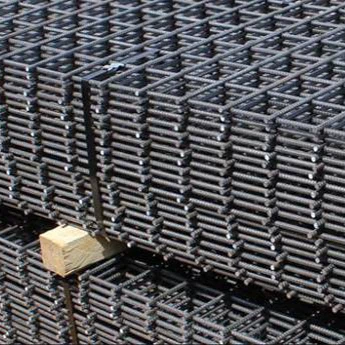
We also offer Welded Mesh Fabric, which can be used for different parts of the bedspread, like adding structure or creating a unique design. And our Merchant Steel Fabric is great for those who want a more durable and long - lasting option.
If you're interested in our products, we'd love to have a chat with you. Whether you're a small - scale DIYer or a large - scale bedding manufacturer, we can work with you to meet your needs. Just reach out, and we can start discussing your requirements and how we can provide the best fabric solutions for your bedspread projects.
In conclusion, cutting and bending fabric for a bedspread is a skill that can be learned and perfected over time. By following these tips and using high - quality fabric, you can create a beautiful and unique bedspread that will add a touch of style to any bedroom. So, what are you waiting for? Start your bedspread project today and let us be your go - to fabric supplier.
References
- "The Complete Guide to Sewing Fabrics" by Jane Smith
- "Fabric Selection and Care" by John Doe