

Hey there! I'm a supplier of welded mesh fabric, and I'm super stoked to share with you how this awesome product is made. Welded mesh fabric is used in a ton of different industries, from construction to agriculture, and it's all thanks to its strength, durability, and versatility. So, let's dive right in and take a look at the process.
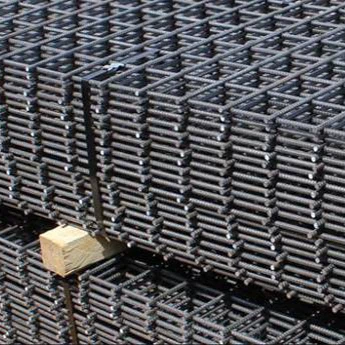

Step 1: Selecting the Right Wire
The first step in making welded mesh fabric is choosing the right wire. We usually use galvanized steel wire, which is coated with a layer of zinc to prevent rusting. This makes the mesh more durable and long-lasting, especially when it's exposed to the elements. The thickness of the wire depends on the specific application of the mesh. For example, if it's going to be used for heavy-duty construction, we'll use a thicker wire. On the other hand, if it's for something like a garden fence, a thinner wire will do the trick.
Step 2: Cutting the Wire
Once we've selected the wire, it's time to cut it to the right length. We use high - precision cutting machines to ensure that each piece of wire is the exact length we need. This is really important because it affects the overall size and quality of the welded mesh fabric. If the wires are cut too short or too long, it can mess up the welding process and the final product won't be up to standard.
Step 3: Welding the Wires
The welding process is the heart of making welded mesh fabric. We use advanced welding machines that can precisely join the horizontal and vertical wires together at their intersections. There are different types of welding methods, but the most common one we use is resistance welding. In this method, an electric current is passed through the wires at the point of contact, and the heat generated by the resistance of the wires melts them together. This creates a strong and secure bond between the wires.
During the welding process, we have to pay close attention to several factors. The welding current, pressure, and time all need to be carefully controlled. If the current is too high, it can burn through the wires, and if it's too low, the bond won't be strong enough. The same goes for the pressure and time. We also make sure to maintain a consistent welding pattern to ensure that the mesh has a uniform appearance and strength.
Step 4: Shaping the Mesh
After the wires are welded together, we may need to shape the mesh into the desired form. This could involve bending it into curves or cutting it into specific shapes. For example, if a customer needs Cut and Bent Fabric, we'll use specialized machinery to cut and bend the welded mesh fabric according to their requirements. This step allows us to create customized products for our customers.
Step 5: Quality Control
Quality control is a crucial part of the manufacturing process. We have a team of experienced quality control inspectors who check every roll of welded mesh fabric before it leaves our factory. They look for any signs of defects, such as weak welds, uneven wire spacing, or rust spots. If a roll doesn't meet our strict quality standards, it goes back for re - work or is rejected.
We use a variety of testing methods to ensure the quality of our products. Tensile strength tests are used to measure how much force the mesh can withstand before it breaks. We also check the wire diameter, mesh size, and coating thickness to make sure they are within the specified tolerances.
Step 6: Packaging and Shipping
Once the welded mesh fabric has passed the quality control tests, it's time to package it for shipping. We usually roll the mesh onto large spools or cut it into sheets and stack them neatly. Then we wrap it in protective materials, like plastic film or cardboard, to prevent damage during transportation.
We work with reliable shipping companies to ensure that our products are delivered to our customers on time and in good condition. Whether it's a local customer or someone overseas, we make sure that the welded mesh fabric reaches its destination safely.
Different Types of Welded Mesh Fabric
There are several types of welded mesh fabric that we offer. One of them is Welded Mesh Fabric, which is the standard type. It's made with a regular pattern of welded wires and is suitable for a wide range of applications, like fencing, reinforcement in concrete, and filtration.
Another type is Purpose Made Steel Fabric. This is customized to meet the specific needs of our customers. We can adjust the wire size, mesh opening, and shape according to their requirements. Whether it's for a unique construction project or a special industrial application, we can create a purpose - made steel fabric that fits the bill.
Why Choose Our Welded Mesh Fabric
As a supplier, we take pride in the quality of our welded mesh fabric. We use only the best materials and the latest manufacturing techniques to ensure that our products are of the highest standard. Our experienced team is always available to provide technical support and advice to our customers.
We also offer competitive prices and fast delivery times. We understand that our customers need reliable products at a reasonable price, and we strive to meet those expectations. Whether you're a small - scale contractor or a large - scale industrial company, we can provide you with the right welded mesh fabric for your project.
Contact Us for Your Welded Mesh Fabric Needs
If you're in the market for high - quality welded mesh fabric, don't hesitate to get in touch with us. We're here to answer all your questions and help you find the perfect solution for your needs. Whether you need a standard product or a custom - made one, we've got you covered.
References
- "Steel Wire Mesh Handbook", Industry Publishing House
- "Advanced Welding Techniques for Metal Fabrics", Welding Research Institute