

What is the hardness of welded steel wire fabric?
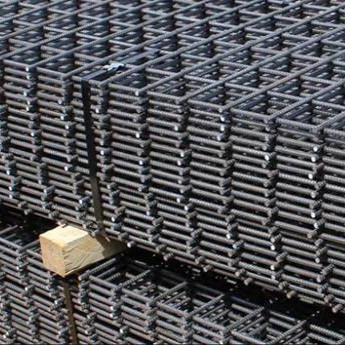
Hey there! I'm a supplier of welded steel wire fabric, and today I want to chat about the hardness of this awesome product. Welded steel wire fabric is used in a ton of different applications, from construction to agriculture, and its hardness plays a huge role in how well it performs.
First off, let's talk about what hardness actually means in the context of welded steel wire fabric. Hardness is a measure of a material's resistance to indentation, scratching, or deformation. In simpler terms, it's how tough the fabric is and how well it can stand up to wear and tear.

There are a few different factors that can affect the hardness of welded steel wire fabric. One of the most important is the type of steel used. Different grades of steel have different levels of hardness, and choosing the right grade for your specific application is crucial. For example, high-carbon steel is generally harder and more wear-resistant than low-carbon steel, but it can also be more brittle.
The manufacturing process also plays a big role in determining the hardness of the fabric. The welding process can affect the structure of the steel, which in turn can impact its hardness. Proper welding techniques are essential to ensure that the fabric has the desired level of hardness and strength.
Another factor to consider is the heat treatment of the welded steel wire fabric. Heat treatment can be used to modify the properties of the steel, including its hardness. For example, quenching and tempering can increase the hardness and strength of the fabric, making it more suitable for applications where high wear resistance is required.
So, why is the hardness of welded steel wire fabric so important? Well, in construction, for example, the fabric is often used to reinforce concrete structures. A harder fabric will be able to withstand the stresses and strains of the construction process and the long-term use of the structure better than a softer one. This can help to prevent cracking and other forms of damage, ensuring the durability and safety of the building.
In agriculture, welded steel wire fabric is used for fencing and other applications. A hard fabric will be more resistant to damage from animals, weather, and other environmental factors, making it a more reliable choice for farmers.
Now, let's take a look at some of the different types of welded steel wire fabric we offer. We have Standard Steel Fabric, which is a versatile option that can be used in a wide range of applications. It has a good balance of hardness and flexibility, making it suitable for both indoor and outdoor use.
Our Cut and Bent Fabric is another popular choice. This fabric is pre-cut and bent to your specifications, which can save you time and money on installation. It also has a high level of hardness, ensuring that it will perform well in your project.

And of course, we have Welded Mesh Fabric, which is available in a variety of sizes and configurations. This fabric is known for its strength and durability, and its hardness makes it a great choice for heavy-duty applications.
When it comes to choosing the right welded steel wire fabric for your project, it's important to consider the hardness and other properties of the fabric. You also need to think about the specific requirements of your application, such as the level of wear and tear it will be exposed to, the environmental conditions, and the budget.
If you're not sure which type of welded steel wire fabric is right for you, don't worry! Our team of experts is here to help. We can answer your questions, provide you with samples, and give you advice on the best fabric for your needs.
In conclusion, the hardness of welded steel wire fabric is a crucial factor that can affect its performance and durability. By understanding the factors that influence hardness and choosing the right fabric for your application, you can ensure that your project will be a success.
If you're interested in purchasing welded steel wire fabric, we'd love to hear from you. Contact us today to discuss your requirements and get a quote. We're committed to providing you with high-quality products and excellent customer service.
References
- Materials Science and Engineering: An Introduction by William D. Callister Jr. and David G. Rethwisch
- Steel Design by William T. Segui