

When it comes to creating a secure and functional enclosure for a koi pond, pond owners have a plethora of options at their disposal. One such option that often comes under consideration is the welded wire fence. As a dedicated welded wire fence supplier, I've had numerous discussions with pond enthusiasts about the suitability of this fencing type for koi pond enclosures. In this blog post, I'll explore the various aspects of using a welded wire fence for a koi pond, including its advantages, potential drawbacks, and key considerations.
Advantages of Using a Welded Wire Fence for a Koi Pond Enclosure
1. Cost - Effectiveness
One of the most significant advantages of a welded wire fence is its cost - effectiveness. Compared to some other fencing materials such as wrought iron or solid wood, welded wire fences are generally more budget - friendly. This makes them an attractive option for pond owners who want to create a functional enclosure without breaking the bank. Whether you have a small backyard koi pond or a larger commercial setup, the lower cost of welded wire fences allows you to allocate your funds to other important aspects of your pond, such as water filtration systems or high - quality koi fish.
2. Visibility
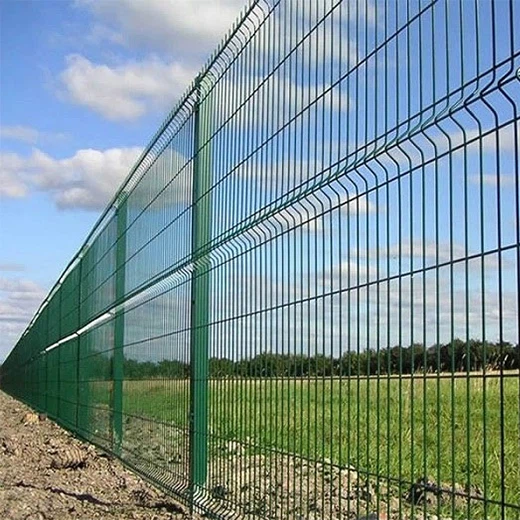
Koi fish are known for their vibrant colors and graceful movements, and many pond owners enjoy watching them. A welded wire fence provides excellent visibility, allowing you to have an unobstructed view of your koi pond. Unlike solid fences that can block the view, the open design of the welded wire fence enables you to appreciate the beauty of your fish and the overall aesthetic of the pond. It also allows natural light to penetrate the pond area, which is beneficial for the growth of aquatic plants and the well - being of the koi.
3. Durability
Modern welded wire fences are made from high - quality materials that offer good durability. The wires are typically welded together at the intersections, creating a strong and stable structure. Galvanized or coated welded wire fences are resistant to rust and corrosion, which is crucial when dealing with the moist environment around a koi pond. With proper installation and maintenance, a welded wire fence can last for many years, providing long - term protection for your koi pond. For more information on durable options, you can check out Coated Welded Wire Fencing.
4. Customizability
Welded wire fences come in a variety of sizes, mesh patterns, and wire gauges, offering a high degree of customizability. You can choose a fence with a mesh size that is appropriate for keeping out predators such as raccoons, herons, or other animals that might pose a threat to your koi. Additionally, the fence can be cut and shaped to fit the specific dimensions and layout of your koi pond. Whether your pond is rectangular, circular, or has an irregular shape, a welded wire fence can be adapted to meet your needs.

5. Easy Installation
Installing a welded wire fence is relatively straightforward, especially when compared to more complex fencing systems. It usually involves attaching the fence to posts, which can be made of wood, metal, or concrete. With basic tools and some DIY skills, pond owners can install a welded wire fence themselves, saving on installation costs. This ease of installation also means that if you need to make any changes or repairs to the fence in the future, it can be done quickly and without much hassle.
Potential Drawbacks of Using a Welded Wire Fence for a Koi Pond Enclosure
1. Aesthetic Appeal
While some people appreciate the utilitarian look of a welded wire fence, others may find it less visually appealing compared to more decorative fencing options. The industrial appearance of the wire mesh may not blend well with certain landscape designs or architectural styles. However, there are ways to mitigate this issue, such as painting the fence to match the surrounding environment or adding decorative elements to the posts or the top of the fence.
2. Smaller Predators
Although a welded wire fence can keep out larger predators, very small animals such as snakes or rodents may be able to squeeze through the mesh. If you live in an area with a high population of these smaller pests, you may need to choose a fence with a smaller mesh size or take additional measures to prevent their entry into the pond area.
3. Potential for Entanglement
Koi fish are active swimmers, and there is a small risk that their fins or tails could become entangled in the wire mesh. This is more likely to occur if the fish are startled or if they swim too close to the fence. To minimize this risk, it's important to choose a fence with a smooth finish and to ensure that there are no sharp edges or protruding wires.
Key Considerations When Using a Welded Wire Fence for a Koi Pond Enclosure
1. Mesh Size
Selecting the right mesh size is crucial. A mesh that is too large may allow predators to enter, while a mesh that is too small can restrict visibility and airflow. For most koi ponds, a mesh size of 1 - 2 inches is recommended. This size is small enough to keep out common predators such as raccoons and herons, but large enough to provide good visibility and allow for proper air circulation.
2. Height
The height of the fence is another important consideration. A fence that is too short may not be effective in keeping out predators, especially those that can jump or climb. A height of at least 3 - 4 feet is generally recommended for a koi pond enclosure. However, the exact height may depend on the specific predators in your area and the layout of your pond.
3. Post Spacing
The spacing between the fence posts affects the stability of the fence. If the posts are spaced too far apart, the fence may sag or become loose over time. As a general rule, posts should be spaced no more than 6 - 8 feet apart. This ensures that the fence remains taut and secure, even in windy conditions.
4. Ground Anchoring
To prevent the fence from being pushed over or dug under by predators, it's important to anchor it securely to the ground. This can be done by burying the posts at least 1 - 2 feet deep or by using concrete footings. Additionally, you can add a skirt or apron of wire mesh at the base of the fence to deter animals from digging underneath.
Conclusion
In conclusion, a welded wire fence can be a viable option for a koi pond enclosure. It offers several advantages, including cost - effectiveness, visibility, durability, customizability, and easy installation. However, it also has some potential drawbacks, such as aesthetic limitations and the risk of entanglement. By carefully considering the key factors such as mesh size, height, post spacing, and ground anchoring, you can create a functional and secure enclosure for your koi pond using a welded wire fence.
If you're interested in learning more about our Metal Mesh Fencing or Metal Welded - Wire Fencing products for your koi pond enclosure, please feel free to reach out to us. We're here to help you make the right choice and provide you with high - quality fencing solutions.
References
- Pond Construction and Design Handbook, various authors
- Koi Keeping: A Comprehensive Guide, multiple experts in the field