

As a supplier of merchant steel fabric, I understand the importance of balancing cost - efficiency with maintaining high - quality products. In today's competitive market, reducing the cost of merchant steel fabric without sacrificing quality is a crucial goal for both suppliers like us and our customers. Here are some effective strategies that we have adopted and recommend to achieve this objective.
1. Optimize Material Sourcing
One of the primary ways to reduce costs is by carefully selecting and sourcing raw materials. High - quality steel is essential for merchant steel fabric, but that doesn't mean we have to pay exorbitant prices. We need to establish long - term relationships with reliable steel mills. By placing large, regular orders, we can often negotiate better prices. Additionally, we can keep an eye on the steel market trends. Steel prices fluctuate due to factors such as global supply and demand, raw material costs, and geopolitical events. By purchasing steel when the prices are relatively low, we can significantly cut down on our material costs.
Another aspect is to evaluate the different grades of steel available. Sometimes, a slightly lower - grade steel that still meets the required specifications can be used. For example, in some applications where high - strength steel is not strictly necessary, a more standard grade can be substituted. This can lead to substantial savings without compromising the overall quality of the merchant steel fabric.
2. Improve Production Efficiency
Efficient production processes are key to cost reduction. We need to invest in modern machinery and equipment. Newer machines are often more energy - efficient and can produce merchant steel fabric at a faster rate. For instance, automated welding machines can ensure consistent and high - quality welds while reducing labor costs and production time.
Process optimization is also crucial. Analyzing the production line to identify bottlenecks and inefficiencies can lead to significant improvements. By streamlining the workflow, we can reduce waste and increase productivity. For example, reducing the time between different production steps or minimizing the movement of materials within the factory can save both time and resources.
Employee training is another important factor. Well - trained workers are more productive and make fewer mistakes. We should provide regular training programs to keep our employees updated on the latest production techniques and safety procedures. This can not only improve the quality of the merchant steel fabric but also reduce the cost associated with rework and waste.
3. Product Design and Standardization
In the design phase of merchant steel fabric, we can make decisions that impact cost. Standardization is a powerful tool. By developing a range of standard products, such as Standard Steel Fabric, we can take advantage of economies of scale. Mass - producing standard designs reduces the cost of tooling, setup, and production. It also simplifies inventory management, as we can keep a more consistent stock of raw materials and finished products.
However, we also need to be flexible to meet customer - specific requirements. For custom - made products like Purpose Made Steel Fabric, we can still find ways to optimize the design. Working closely with customers to understand their needs and then coming up with cost - effective solutions can help us maintain quality while reducing costs. For example, we can suggest alternative designs that use less material without sacrificing functionality.
4. Lean Inventory Management
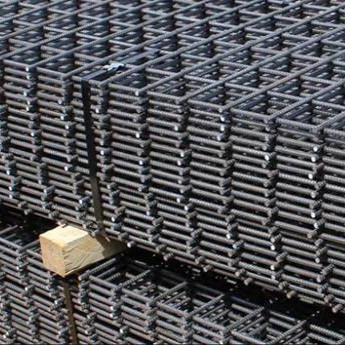
Inventory management is a critical area where costs can be controlled. Maintaining excessive inventory ties up capital and incurs storage costs. On the other hand, running out of stock can lead to production delays and dissatisfied customers. To strike the right balance, we can implement a lean inventory management system.
This involves accurately forecasting demand based on historical data, market trends, and customer orders. By having a clear understanding of future demand, we can order the right amount of raw materials at the right time. We can also use just - in - time (JIT) inventory techniques. With JIT, we receive raw materials just when they are needed in the production process, reducing the need for large - scale storage.
Another strategy is to optimize the storage layout. Organizing the inventory in a logical and efficient way can reduce the time and effort required to access materials, improving overall productivity.

5. Waste Reduction
Waste in the production process not only represents a loss of materials but also additional costs for disposal. We need to implement waste - reduction measures at every stage of production. For example, in the cutting process, we can use advanced nesting software to optimize the cutting patterns of steel sheets. This ensures that we use as much of the raw material as possible, minimizing scrap.
Recycling is also an important part of waste reduction. Scrap steel can be recycled and reused in the production process. By having a proper recycling system in place, we can not only reduce waste but also save on the cost of purchasing new raw materials.
6. Transportation and Logistics
Efficient transportation and logistics can have a significant impact on the overall cost of merchant steel fabric. We need to choose the right transportation partners. By negotiating favorable contracts with reliable carriers, we can reduce shipping costs. Additionally, optimizing the delivery routes can save on fuel and time.
Consolidating shipments is another effective strategy. Instead of sending multiple small shipments, we can group orders together to fill a truck or container more efficiently. This can reduce the per - unit transportation cost.
Warehousing also plays a role in transportation and logistics. We should ensure that our warehouses are strategically located to minimize the distance between the production facility and the customers. This can reduce the transportation time and cost.
7. Continuous Quality Control
While reducing costs, it is essential to maintain strict quality control. Implementing a comprehensive quality control system helps us identify and correct any quality issues early in the production process. This reduces the cost associated with rework, scrap, and customer returns.
We can use statistical process control (SPC) techniques to monitor the production process. By collecting and analyzing data on key quality indicators, we can detect any variations in the process and take corrective actions before they lead to significant quality problems.
Regular audits and inspections of our production facilities and products also ensure that we meet the required quality standards. This builds trust with our customers and can lead to long - term business relationships.
Conclusion
Reducing the cost of merchant steel fabric without sacrificing quality is a multi - faceted challenge. By optimizing material sourcing, improving production efficiency, standardizing product designs, managing inventory effectively, reducing waste, streamlining transportation and logistics, and maintaining strict quality control, we can achieve significant cost savings.
At our company, we are committed to providing high - quality merchant steel fabric at competitive prices. Whether you are in need of Cut and Bent Fabric, Standard Steel Fabric, or Purpose Made Steel Fabric, we are here to work with you to find the most cost - effective solutions. If you are interested in discussing your requirements and exploring how we can help you save on costs while maintaining quality, please feel free to contact us for a detailed discussion and a competitive quote.
References
- "Steel Industry Handbook", published by a leading industry association, which provides in - depth knowledge about steel production, material properties, and cost - management strategies.
- "Manufacturing Process Optimization" textbooks and research papers that focus on improving production efficiency and reducing waste in manufacturing industries.
- Case studies from other successful steel fabric suppliers, which showcase practical examples of cost - reduction measures without sacrificing quality.