

As a supplier of welded steel fabric, I understand the critical importance of welding quality. High - quality welded steel fabric not only meets the strict requirements of construction and industrial applications but also enhances the safety and durability of the final products. In this blog, I will share some effective ways to improve the welding quality of welded steel fabric.
1. Select High - Quality Raw Materials
The quality of raw materials is the foundation for ensuring the welding quality of welded steel fabric. When choosing steel wires, we should focus on several key aspects. Firstly, the chemical composition of the steel wire is crucial. For example, elements such as carbon, manganese, and silicon can significantly affect the weldability of the steel. A proper carbon content can ensure the strength of the welded joint, while excessive carbon may lead to increased hardness and brittleness, which is prone to cracking during welding.
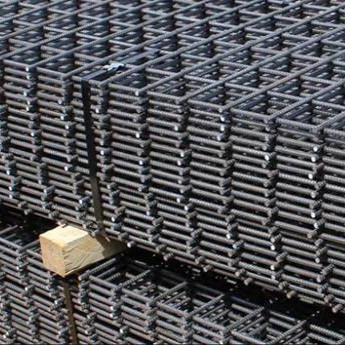
We often recommend using Cold Rolled Ribbed Steel Wire. This type of steel wire has a smooth surface and uniform diameter, which can ensure stable current conduction during the welding process. Moreover, its high - strength properties can improve the overall strength of the welded steel fabric.
In addition to the chemical composition, the physical properties of the steel wire, such as its tensile strength and elongation, also need to be considered. Steel wires with appropriate tensile strength and elongation can better withstand the stress generated during welding and subsequent use, reducing the risk of weld failure.
2. Optimize Welding Parameters
Welding parameters play a decisive role in the quality of welded steel fabric. The main welding parameters include welding current, welding voltage, welding time, and electrode pressure.
Welding Current
The welding current is one of the most important parameters. If the welding current is too small, the heat generated is insufficient, resulting in incomplete fusion between the steel wires and poor weld strength. On the other hand, if the welding current is too large, it may cause excessive melting of the steel wires, leading to splashing, burn - through, and deformation of the welded steel fabric. Therefore, it is necessary to select the appropriate welding current according to the diameter and material of the steel wire. For example, for thinner steel wires, a relatively small welding current should be used, while for thicker steel wires, a larger welding current is required.
Welding Voltage
The welding voltage is closely related to the arc stability and the shape of the weld bead. A stable welding voltage can ensure a uniform arc, which is beneficial for obtaining a smooth and continuous weld. Generally, the welding voltage should be adjusted in conjunction with the welding current to maintain a proper arc length. If the voltage is too high, the arc will be too long, which may cause oxidation of the weld and affect its quality. If the voltage is too low, the arc will be unstable, resulting in uneven welding.
Welding Time
The welding time determines the amount of heat input during the welding process. An appropriate welding time can ensure sufficient melting and fusion of the steel wires without causing excessive heat accumulation. If the welding time is too short, the weld may not be fully formed, and if it is too long, it may lead to over - heating and damage to the steel wires. The welding time needs to be adjusted according to the welding current, voltage, and the thickness of the steel wires.
Electrode Pressure
The electrode pressure affects the contact resistance between the steel wires and the electrode, as well as the compaction of the weld. Adequate electrode pressure can ensure good electrical contact and prevent arcing at the contact surface. At the same time, it can also make the molten metal in the weld more compact, improving the strength and density of the weld. However, if the electrode pressure is too large, it may cause deformation of the steel wires, while if it is too small, the weld may not be well - formed.
3. Maintain the Welding Equipment
Regular maintenance of welding equipment is essential for ensuring stable welding quality. Welding machines, electrodes, and other equipment components need to be inspected and maintained regularly.
The welding machine should be checked for its electrical performance regularly, including the stability of the power supply, the insulation performance, and the accuracy of the parameter settings. Any electrical faults or parameter deviations should be corrected in time to ensure that the welding machine can operate normally.
The electrodes also need to be maintained properly. Over time, the electrodes may wear out, which can affect the welding quality. Worn electrodes should be replaced in a timely manner, and the surface of the electrodes should be kept clean to ensure good electrical contact with the steel wires.
In addition, the cooling system of the welding equipment should also be inspected regularly. A well - functioning cooling system can prevent the equipment from over - heating, which is crucial for the long - term stable operation of the welding equipment.
4. Implement Quality Control Measures
Quality control is an important part of improving the welding quality of welded steel fabric. A comprehensive quality control system should be established from raw material inspection to the final product inspection.
Raw Material Inspection
Before using the steel wires, a strict inspection should be carried out to ensure that they meet the required standards. This includes checking the chemical composition, physical properties, and surface quality of the steel wires. Any sub - standard raw materials should be rejected to prevent them from entering the production process.
In - process Inspection
During the welding process, in - process inspection should be carried out regularly. This can include visual inspection of the weld appearance, such as checking for cracks, porosity, and unevenness. Non - destructive testing methods, such as ultrasonic testing and X - ray testing, can also be used to detect internal defects in the weld. If any quality problems are found during the in - process inspection, the welding process should be adjusted immediately to correct the problems.

Final Product Inspection
After the production of the welded steel fabric is completed, a final product inspection should be carried out. This includes checking the dimensions, shape, and mechanical properties of the welded steel fabric. The mechanical properties, such as tensile strength and shear strength, should be tested to ensure that the welded steel fabric meets the design requirements. Only products that pass the final product inspection can be delivered to customers.
5. Train the Welding Operators
The skills and experience of welding operators have a significant impact on the welding quality of welded steel fabric. Therefore, it is necessary to provide regular training to welding operators.
The training should cover theoretical knowledge, such as welding principles, welding parameters, and quality control requirements, as well as practical skills, such as operation of welding equipment and handling of common welding problems. By improving the professional level of welding operators, they can better understand and implement the welding process requirements, and take appropriate measures to deal with various problems that may occur during the welding process.
In addition, a good work attitude and sense of responsibility of the welding operators are also very important. Operators should be required to strictly follow the operating procedures and quality control requirements to ensure the stability and consistency of the welding quality.
Conclusion
Improving the welding quality of welded steel fabric requires a comprehensive approach, including selecting high - quality raw materials, optimizing welding parameters, maintaining welding equipment, implementing quality control measures, and training welding operators. As a supplier of welded steel fabric, we are committed to providing high - quality products to our customers. We offer a wide range of welded steel fabric products, such as Purpose Made Steel Fabric and Cut and Bent Fabric, which can meet the different needs of various industries.
If you are interested in our welded steel fabric products or have any questions about welding quality, please feel free to contact us for procurement negotiations. We look forward to cooperating with you to provide you with the best - quality welded steel fabric solutions.
References
- ASME Boiler and Pressure Vessel Code, Section IX - Welding and Brazing Qualifications.
- AWS D1.1/D1.1M:2020, Structural Welding Code - Steel.
- ISO 15614 - 1:2017, Specification and qualification of welding procedures for metallic materials - Welding procedure test - Part 1: Arc welding of steels and arc and gas welding of nickel and nickel alloys.