

Hey there! As a supplier of flying end fabric, I often get asked this question: Does flying end fabric attract dust easily? Well, let's dig into this topic and find out.
First off, let's understand what flying end fabric is. It's a type of fabric that has those loose, frayed ends, which gives it a unique look and feel. It's used in a variety of applications, from construction to industrial settings. And yeah, the look of those flying ends is pretty cool, but does it make the fabric a dust magnet?
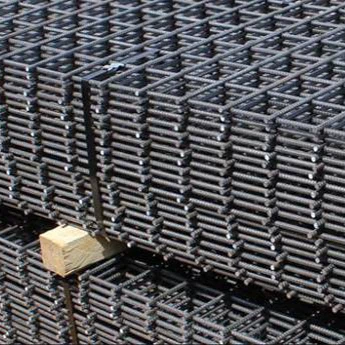
To figure this out, we need to look at the structure of the fabric. Flying end fabric is usually made up of multiple strands of wire or fiber. These strands create a kind of open, porous structure. You see, dust particles are everywhere in the air, and they're always looking for a place to settle. When they come across a fabric with an open structure like flying end fabric, there are more nooks and crannies for them to get stuck in.
Think about it like a sponge. A sponge has lots of little holes, and it can soak up water easily. In the same way, the open structure of flying end fabric provides more surface area for dust to cling to. So, in theory, it does have a higher chance of attracting dust compared to a fabric with a more tightly woven structure.
But it's not that simple. The material the fabric is made of also plays a huge role. If the fabric is made of a smooth, non - porous material, dust might not stick to it as easily. For example, some flying end fabrics are made of stainless steel wire. Stainless steel has a smooth surface, and dust particles are less likely to adhere to it compared to a fabric made of a more porous material like certain types of synthetic fibers.
Another factor is the environment where the fabric is used. If the fabric is placed in a clean, low - dust environment, the amount of dust it attracts will be minimal. On the other hand, if it's in a place with high levels of airborne dust, like a construction site or a factory, it's going to get dirty quicker.
Now, let's talk about how this might affect the use of flying end fabric. In some applications, a little bit of dust might not be a big deal. For instance, if the fabric is being used as a decorative element in a building, a bit of dust can even add to its rustic charm. However, in other applications, like in a food processing plant or a cleanroom, dust accumulation can be a serious problem. It can contaminate products or interfere with sensitive equipment.
So, what can be done to reduce dust attraction? Regular cleaning is one obvious solution. You can use a soft brush or a vacuum cleaner to remove the dust from the fabric. Another option is to treat the fabric with an anti - static coating. Static electricity can cause dust to stick to the fabric, and an anti - static coating can reduce this effect.
If you're in the market for flying end fabric, you might also be interested in other types of fabric we offer. Check out our Welded Mesh Fabric, Standard Steel Fabric, and Cut and Bent Fabric. These fabrics have their own unique properties and applications, and they might be just what you need for your project.
In conclusion, while flying end fabric does have a tendency to attract dust more easily due to its open structure, there are ways to manage it. The key is to understand the specific needs of your application and take appropriate measures to keep the fabric clean.

If you're interested in purchasing flying end fabric or have any questions about it, don't hesitate to reach out. We're here to help you find the right fabric for your needs and provide you with all the information you need. Let's have a chat and see how we can work together!
References
- Textile Materials Science Handbook
- Industrial Fabric Application Research Reports