

Can welded steel wire fabric be used in the manufacturing of conveyor belts?
As a supplier of welded steel wire fabric, I am often asked about the diverse applications of our product. One question that has recently gained attention is whether welded steel wire fabric can be used in the manufacturing of conveyor belts. In this blog post, I will explore this topic in detail, discussing the properties of welded steel wire fabric, the requirements of conveyor belts, and the potential benefits and challenges of using this material in conveyor belt production.
Properties of Welded Steel Wire Fabric
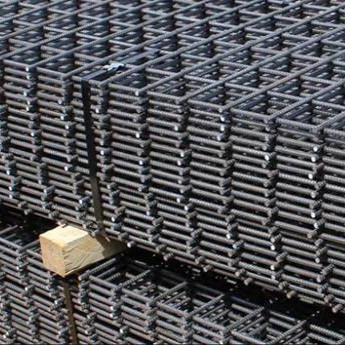
Welded steel wire fabric is a versatile material made by welding intersecting steel wires at their cross - points. This process creates a strong and stable structure with several notable properties:
- High Strength: Steel is known for its excellent strength - to - weight ratio. Welded steel wire fabric can withstand significant tensile and compressive forces, making it suitable for applications where durability is crucial.
- Uniformity: The welding process ensures a consistent and uniform structure. This uniformity is beneficial as it provides predictable performance in various applications.
- Customizability: Welded steel wire fabric can be customized in terms of wire diameter, mesh size, and shape. This allows it to be tailored to the specific requirements of different projects.
- Corrosion Resistance: Depending on the type of steel used and the coating applied, welded steel wire fabric can offer good corrosion resistance. For example, galvanized welded steel wire fabric has a zinc coating that protects the steel from rusting.
Requirements of Conveyor Belts
Conveyor belts are used in a wide range of industries, from mining and manufacturing to food processing and logistics. They need to meet several key requirements:
- Strength and Durability: Conveyor belts must be able to carry heavy loads and withstand continuous use without breaking or wearing out quickly. They are often exposed to abrasion, impact, and other forms of mechanical stress.
- Flexibility: To run smoothly around pulleys and rollers, conveyor belts need to be flexible. This flexibility allows them to conform to the shape of the conveyor system.
- Resistance to Environmental Factors: Conveyor belts may be exposed to various environmental conditions, such as moisture, chemicals, and extreme temperatures. They need to resist these factors to maintain their performance.
- Cleanliness and Hygiene: In industries such as food processing, conveyor belts must be easy to clean and maintain to ensure product safety.
Potential Benefits of Using Welded Steel Wire Fabric in Conveyor Belt Manufacturing
- Enhanced Strength: The high strength of welded steel wire fabric can significantly improve the load - carrying capacity of conveyor belts. This is especially useful in applications where heavy or bulky materials need to be transported.
- Longer Service Life: Due to its durability and resistance to abrasion, welded steel wire fabric can extend the service life of conveyor belts. This reduces the frequency of belt replacements, resulting in cost savings for the end - user.
- Customization for Specific Applications: The customizability of welded steel wire fabric allows conveyor belts to be designed for specific industries and applications. For example, in the mining industry, a conveyor belt with a welded steel wire fabric reinforcement can be made to withstand the harsh conditions of ore transportation.
- Improved Tracking: The uniform structure of welded steel wire fabric can help improve the tracking of conveyor belts. This ensures that the belt runs straight and reduces the risk of misalignment, which can cause damage to the belt and the conveyor system.
Challenges of Using Welded Steel Wire Fabric in Conveyor Belt Manufacturing
- Flexibility Issues: While welded steel wire fabric is strong, it may not have the same level of flexibility as some traditional conveyor belt materials. This could pose a challenge in conveyor systems with tight turns or complex geometries.
- Weight: Steel is a relatively heavy material. The use of welded steel wire fabric in conveyor belts may increase the overall weight of the belt, which could require more energy to operate the conveyor system.
- Corrosion in Certain Environments: Although welded steel wire fabric can be corrosion - resistant, in some highly corrosive environments, additional protection may be required. For example, in chemical processing plants, the steel may need a special coating to prevent corrosion.
Applications and Solutions
Despite the challenges, there are several applications where welded steel wire fabric can be effectively used in conveyor belt manufacturing:
- Heavy - Duty Conveyor Systems: In industries such as mining and construction, where heavy loads need to be transported over long distances, welded steel wire fabric can provide the necessary strength and durability. For these applications, a compromise between flexibility and strength can be achieved by using thinner wires or a more open mesh design.
- High - Temperature Environments: Welded steel wire fabric can withstand high temperatures better than many other materials. In applications such as foundries or glass manufacturing, conveyor belts reinforced with welded steel wire fabric can maintain their performance in extreme heat.
- Custom - Designed Conveyor Belts: The customizability of welded steel wire fabric makes it ideal for creating conveyor belts for specialized applications. For example, Cut and Bent Fabric can be used to create belts with unique shapes and sizes to fit specific conveyor systems.
Our Offerings as a Welded Steel Wire Fabric Supplier
As a supplier of welded steel wire fabric, we offer a wide range of products that can be used in conveyor belt manufacturing. Our Merchant Steel Fabric is available in various wire diameters and mesh sizes, allowing for customization to meet your specific requirements. We also provide Welded Wire Reinforcement Mesh that can be used to enhance the strength of conveyor belts.
Our team of experts can work with you to design the optimal welded steel wire fabric solution for your conveyor belt application. We can help you balance the need for strength, flexibility, and other properties based on your specific operating conditions.

Contact Us for Procurement
If you are interested in using welded steel wire fabric in your conveyor belt manufacturing process, we invite you to contact us for a detailed discussion. Our experienced sales team can provide you with product samples, technical specifications, and pricing information. We are committed to providing high - quality products and excellent customer service to meet your procurement needs.
References
- ASTM International. (20XX). Standards related to welded steel wire fabric.
- Conveyor Equipment Manufacturers Association. (20XX). Conveyor belt design and performance guidelines.