

Hey there! As a supplier of steel wire mesh sheets, I've seen my fair share of issues when it comes to transporting these products. Deformation during transit can be a real headache, not just for us suppliers but also for our customers. No one wants to receive a batch of mesh sheets that are all bent out of shape. So, in this blog, I'm gonna share some tips on how to avoid the deformation of steel wire mesh sheets during transportation.
Understanding the Causes of Deformation
Before we dive into the solutions, it's important to understand what causes the deformation in the first place. There are several factors that can contribute to this problem.
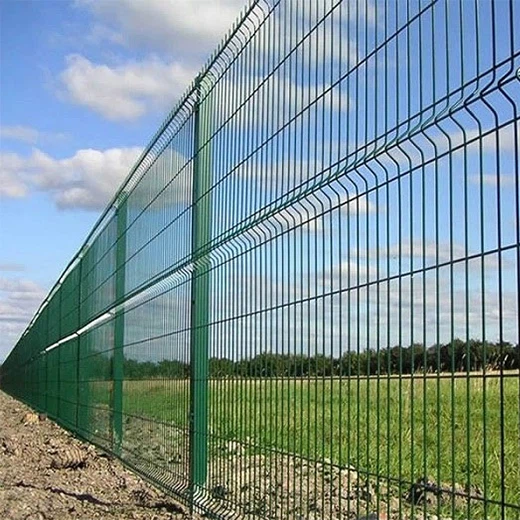

Improper Packaging: If the steel wire mesh sheets aren't packaged correctly, they're more likely to get damaged during transportation. For example, if they're not secured tightly, they can shift around in the truck or container, leading to bending and warping.
Rough Handling: Sometimes, the way the mesh sheets are loaded and unloaded can also cause deformation. Workers might not be careful enough, and they could drop or mishandle the sheets, resulting in dents and bends.
Vibration and Shock: During transportation, the mesh sheets are exposed to vibrations and shocks from the vehicle's movement. If the packaging isn't designed to absorb these impacts, the sheets can get deformed.
Choosing the Right Packaging
One of the most important steps in preventing deformation is choosing the right packaging for the steel wire mesh sheets. Here are some options that I've found to be effective:
Wooden Crates: Wooden crates are a popular choice for transporting steel wire mesh sheets. They provide a sturdy and protective enclosure that can prevent the sheets from getting damaged. Make sure the crates are well-built and have enough padding inside to cushion the sheets.
Pallets: Pallets are another great option. You can stack the mesh sheets on pallets and secure them with straps or shrink wrap. This makes it easier to handle the sheets during loading and unloading, and it also provides some protection against vibration and shock.
Customized Packaging: Depending on the size and shape of your steel wire mesh sheets, you might want to consider using customized packaging. This could include special boxes or containers that are designed to fit the sheets perfectly. Customized packaging can provide the best protection and reduce the risk of deformation.
Securing the Mesh Sheets
Once you've chosen the right packaging, it's important to make sure the mesh sheets are secured properly inside. Here are some tips on how to do that:
Use Straps or Bands: Straps or bands can be used to hold the mesh sheets together and prevent them from shifting around during transportation. Make sure the straps are tight enough to keep the sheets in place, but not so tight that they cause damage.
Add Padding: Adding padding between the mesh sheets can help absorb the impact of vibrations and shocks. You can use materials like foam or cardboard to provide extra protection.
Fill Empty Spaces: If there are any empty spaces inside the packaging, fill them with packing materials to prevent the mesh sheets from moving. This could include crumpled paper, bubble wrap, or packing peanuts.
Handling with Care
Proper handling is crucial to avoiding deformation during transportation. Here are some guidelines to follow:
Train Your Workers: Make sure your workers are trained on how to handle steel wire mesh sheets properly. They should know how to lift, stack, and secure the sheets without causing damage.
Use the Right Equipment: Using the right equipment can also make a big difference. For example, forklifts or pallet jacks can be used to move the mesh sheets safely and efficiently.
Be Gentle: When loading and unloading the mesh sheets, be as gentle as possible. Avoid dropping or throwing the sheets, and make sure they're placed in the vehicle carefully.
Choosing the Right Transportation Method
The transportation method you choose can also affect the risk of deformation. Here are some factors to consider:
Type of Vehicle: Different types of vehicles have different levels of vibration and shock. For example, trucks are generally more stable than trains or ships. If possible, choose a vehicle that offers a smooth ride.
Distance and Route: The distance and route of the transportation can also impact the risk of deformation. Longer distances and rough roads can increase the chances of damage. Try to choose the shortest and smoothest route possible.
Shipping Conditions: The shipping conditions, such as temperature and humidity, can also affect the mesh sheets. Make sure the vehicle is properly ventilated and protected from extreme weather conditions.
Inspecting the Mesh Sheets
Before and after transportation, it's important to inspect the steel wire mesh sheets for any signs of deformation. Here's what you should look for:
Bends and Warps: Check for any visible bends or warps in the mesh sheets. If you notice any, try to straighten them out or replace the damaged sheets.
Dents and Scratches: Look for dents and scratches on the surface of the sheets. These can indicate that the sheets have been mishandled or damaged during transportation.
Loose Wires: Make sure all the wires in the mesh sheets are securely welded or fastened. Loose wires can cause the sheets to fall apart or get deformed.
Conclusion
Avoiding the deformation of steel wire mesh sheets during transportation requires a combination of proper packaging, careful handling, and choosing the right transportation method. By following these tips, you can reduce the risk of damage and ensure that your customers receive high-quality mesh sheets.
If you're interested in purchasing Steel Wire Mesh Sheets, Coated Welded Wire Fencing, or Metal Mesh Fencing, feel free to reach out to us. We'll be happy to help you with your needs and ensure that your products are delivered in perfect condition.
References
- "Best Practices for Packaging and Shipping Metal Products." Metal Packaging Association.
- "Transportation Safety Guidelines for Industrial Products." Department of Transportation.