

Hey there! As a supplier of steel wire mesh sheets, I've seen firsthand how the weaving pattern can make a huge difference in the properties of these products. In this blog, I'm gonna break down how different weaving patterns affect the strength, durability, and other key features of steel wire mesh sheets.
Understanding Weaving Patterns
First things first, let's talk about the common weaving patterns you'll find in steel wire mesh sheets. There are a few main types, each with its own unique characteristics.
Welded Weaving
Welded wire mesh is one of the most popular types. In this pattern, the wire is welded at each intersection. This creates a very stable and rigid structure. The welding process ensures that the wires stay in place, which is great for applications where you need a high level of strength and stability.
For example, if you're looking for Metal Mesh Fencing, a welded wire mesh is often a top choice. The welded intersections give the fence the ability to withstand a lot of pressure and force without losing its shape.
Twisted Weaving
Twisted wire mesh is made by twisting two or more wires together at intervals. This creates a more flexible mesh compared to welded wire. The twisting action adds a bit of give to the mesh, making it suitable for applications where some flexibility is required.
For instance, if you're using the mesh for a wrap-around structure or something that needs to conform to a curved surface, a twisted wire mesh might be a better option. It can bend and flex without breaking, which is a big advantage in these situations.
Chain Link Weaving
Chain link mesh is another well - known pattern. It's made by interlocking a series of loops in a zig - zag pattern. This type of mesh is very flexible and can be easily installed over large areas. Chain link fencing is a classic example, and you can find a great variety at Metal Welded - Wire Fencing.
The open design of chain link mesh allows for good visibility, which is useful in some settings like sports fields or industrial areas where you want to secure the area while still being able to see what's going on inside.
How Patterns Affect Strength
The strength of a steel wire mesh sheet is highly dependent on its weaving pattern.
Welded Mesh Strength
Welded wire mesh is known for its high tensile strength. The welded intersections distribute the load evenly across the mesh, making it capable of withstanding heavy weights and forces. This is why it's often used in construction projects, such as reinforcement in concrete structures.
When you have a large construction site that needs a strong and stable barrier, a welded wire mesh can handle the job. The strength of the welds ensures that the mesh doesn't come apart under pressure.
Twisted Mesh Strength
While twisted wire mesh is not as strong as welded mesh in terms of sheer force, it does have its own strength advantages. The twisted design allows the mesh to absorb and distribute minor impacts more effectively. It can bend and flex to a certain extent without breaking, which makes it more resistant to small - scale damage.
For example, if you're using the mesh in an environment where it might get bumped or jostled occasionally, a twisted wire mesh can hold up better than a more rigid welded mesh.
Chain Link Mesh Strength
Chain link mesh has a decent amount of strength, especially when it comes to lateral forces. The interlocking loops give it the ability to resist stretching and tearing in a side - to - side direction. However, it's not as strong in terms of vertical forces compared to welded mesh.
This makes chain link mesh ideal for fencing applications where the main concern is keeping things in or out horizontally, like in a backyard fence or a perimeter fence for a commercial property.
Impact on Durability
Durability is another important factor when it comes to steel wire mesh sheets, and the weaving pattern plays a big role here too.
Welded Mesh Durability
Welded wire mesh is very durable because the welds prevent the wires from moving independently. This reduces the risk of the mesh sagging or getting loose over time. It also makes the mesh more resistant to corrosion as the welded joints are less likely to allow moisture to penetrate.
In a harsh outdoor environment, a welded wire mesh can last a long time without significant degradation. It's a great option for long - term applications like highway barriers or industrial enclosures.
Twisted Mesh Durability
Twisted wire mesh can be quite durable as well. The twisting process helps to lock the wires together, reducing the risk of the mesh unraveling. However, it may be more susceptible to corrosion in some cases, as the twisted areas can trap moisture.
To enhance the durability of twisted wire mesh, it's often treated with a protective coating. This can include galvanization or powder coating, which adds a layer of protection against rust and other forms of corrosion.
Chain Link Mesh Durability
Chain link mesh is generally durable, but its longevity can be affected by the quality of the wire and the thickness of the coating. The open design of chain link mesh means that it's exposed to the elements, so it's important to have a good protective coating to prevent rust.
If you're looking for long - lasting Metal Mesh Fencing, choosing a chain link mesh with a high - quality galvanized coating can significantly extend its lifespan.
Other Property Considerations
Beyond strength and durability, the weaving pattern of steel wire mesh sheets can also affect other properties.
Aesthetics
The weaving pattern can have a big impact on the look of the mesh. Welded mesh has a clean and modern appearance, which makes it a popular choice for architectural and design applications. It can be used to create sleek and contemporary facades or interior partitions.
Twisted mesh, on the other hand, has a more rustic and textured look. It can add a unique visual element to a project, such as in outdoor sculptures or decorative fencing.
Chain link mesh has a more utilitarian look, but it can be customized with different colors and coatings to fit the aesthetic needs of a project.
Flexibility and Conformability
As mentioned earlier, the flexibility of the mesh varies depending on the weaving pattern. Twisted and chain link meshes are more flexible than welded mesh. This makes them easier to install in areas with irregular shapes or curves.
If you're working on a project that requires the mesh to be bent or shaped, choosing a flexible weaving pattern can save you a lot of time and effort.
Why It Matters for You
As a customer, understanding how the weaving pattern affects the properties of steel wire mesh sheets is crucial. It helps you make the right choice for your specific application.

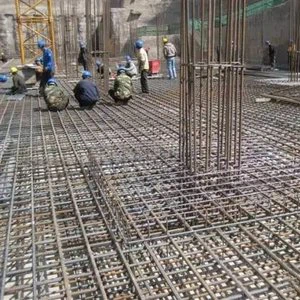
If you need a strong and stable mesh for a heavy - duty construction project, a welded wire mesh is probably your best bet. But if you're looking for a more flexible and cost - effective option for a fencing project, a chain link or twisted mesh might be more suitable.
Let's Talk
If you're in the market for steel wire mesh sheets, I'd love to have a chat with you. Whether you're not sure which weaving pattern is right for your project or you have specific requirements, I'm here to help. Just reach out, and we can start discussing your needs and finding the perfect solution for you.
References
- "Handbook of Wire Mesh and Fence Manufacturing"
- "Advanced Materials in Construction: Steel Wire Mesh Applications"