

Installing metal mesh fencing on a concrete surface can be a challenging yet rewarding project. As a supplier of high - quality metal mesh fencing, I've dealt with numerous customer inquiries regarding the installation process. In this blog, I'll share in - depth knowledge and detailed steps on how to install metal mesh fencing on a concrete surface.
Understanding the Basics of Metal Mesh Fencing
Before diving into the installation process, it's essential to understand the different types of metal mesh fencing available. We offer a wide range of options, such as Coated Welded Wire Fencing, Metal Welded - Wire Fencing, and Steel Wire Mesh Sheets.
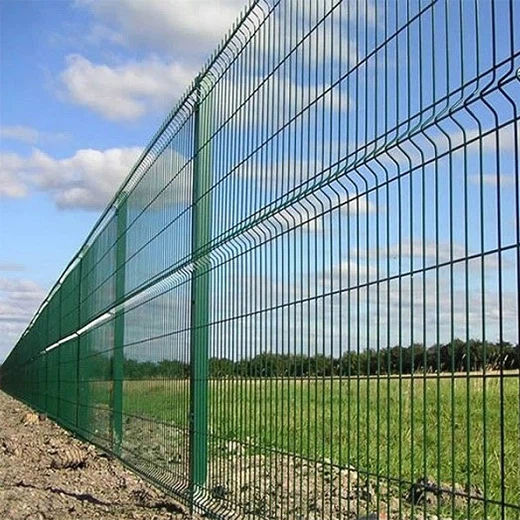

Coated Welded Wire Fencing provides excellent protection against corrosion due to its special coating. It is commonly used in residential areas, gardens, and agricultural settings. Metal Welded - Wire Fencing, on the other hand, is known for its strength and durability. It is suitable for commercial and industrial applications where high - level security is required. Steel Wire Mesh Sheets are versatile and can be used for various purposes, including fencing, partitions, and reinforcement.
Tools and Materials Needed
To install metal mesh fencing on a concrete surface, you'll need the following tools and materials:
- Tools:
- Hammer drill: This is essential for drilling holes in the concrete.
- Masonry bits: Choose the appropriate size based on the diameter of your anchors.
- Wrench: To tighten the nuts and bolts.
- Tape measure: For accurate measurements.
- Level: To ensure the fence is straight.
- Safety goggles and gloves: Protect yourself during the installation process.
- Materials:
- Metal mesh fencing panels: Select the type and size that suits your needs.
- Posts: Typically made of metal or wood, depending on the design and load requirements.
- Concrete anchors: These are used to secure the posts to the concrete surface.
- Bolts and nuts: To attach the mesh panels to the posts.
- Washers: To prevent the nuts from loosening.
Step - by - Step Installation Guide
Step 1: Planning and Marking
- First, determine the layout of your fence. Measure the area where you plan to install the fence and mark the positions of the posts. Make sure the posts are evenly spaced. A common spacing is around 6 - 8 feet, but this may vary depending on the type and height of the fence.
- Use a tape measure and chalk to mark the exact locations on the concrete surface. Ensure that the marks are straight and accurate.
Step 2: Drilling Holes
- Put on your safety goggles and gloves. Using a hammer drill with a masonry bit, drill holes at the marked locations. The depth and diameter of the holes depend on the size of the concrete anchors you'll be using. As a general rule, the hole should be slightly deeper than the length of the anchor.
- For example, if you're using 3 - inch concrete anchors, drill holes that are about 3.5 inches deep. Make sure the holes are perpendicular to the concrete surface.
Step 3: Inserting Concrete Anchors
- After drilling the holes, clean them thoroughly to remove any dust or debris. You can use a brush or compressed air to clean the holes.
- Insert the concrete anchors into the holes. Tap them gently with a hammer until they are fully seated. Make sure the anchors are flush with the concrete surface.
Step 4: Installing the Posts
- Place the posts over the concrete anchors. Use a level to ensure that the posts are perfectly vertical. Once the posts are in the correct position, insert bolts through the holes in the posts and the anchors, and secure them with nuts and washers. Tighten the nuts firmly using a wrench, but be careful not to overtighten as this may damage the concrete or the posts.
- Check the alignment of the posts again to ensure they are straight and evenly spaced.
Step 5: Attaching the Metal Mesh Panels
- Start attaching the metal mesh panels to the posts. You can use bolts and nuts or specialized clips designed for this purpose. Begin at one end of the fence and work your way to the other end.
- Make sure the panels are tightly secured to the posts. Use a level to ensure that the panels are horizontal. If necessary, adjust the tension of the mesh to keep it straight and taut.
Step 6: Finishing Touches
- Once all the panels are attached, check the entire fence for any loose connections or unevenness. Tighten any loose bolts or nuts and adjust the position of the panels if needed.
- Trim any excess mesh using wire cutters. You can also paint or apply a protective coating to the fence to enhance its appearance and durability.
Potential Challenges and Solutions
- Concrete Hardness: If the concrete is extremely hard, drilling holes may be difficult. In this case, use a high - quality hammer drill with a sharp masonry bit. You may also need to apply more pressure or use a lubricant to help the drilling process.
- Uneven Concrete Surface: An uneven concrete surface can make it challenging to install the fence posts. To solve this problem, you can use shims to level the posts. Alternatively, you can grind down the high spots on the concrete using a concrete grinder.
Importance of Professional Installation
While installing metal mesh fencing on a concrete surface can be a DIY project, professional installation has its advantages. Professionals have the necessary tools, experience, and knowledge to ensure a safe and proper installation. They can also handle any unexpected issues that may arise during the installation process.
Contact Us for Your Fencing Needs
If you're considering installing metal mesh fencing on a concrete surface, or if you need more information about our products, feel free to reach out to us. We're a trusted supplier of Coated Welded Wire Fencing, Metal Welded - Wire Fencing, and Steel Wire Mesh Sheets. Our team of experts is ready to assist you with your purchase and provide guidance on the installation process. Contact us today to start your fencing project!
References
- American Fence Association (AFA). "Fencing Installation Guidelines."
- Metal Construction Association (MCA). "Best Practices for Metal Fencing."
- Local building codes and regulations regarding fencing installation.