

As a seasoned supplier of metal mesh fencing, I've encountered numerous inquiries regarding the proper anchoring of these fences to the ground. Anchoring is a crucial step in the installation process, as it ensures the stability, durability, and effectiveness of the fencing. In this blog post, I'll share some practical methods and tips on how to anchor metal mesh fencing to the ground, drawing from my years of experience in the industry.
Understanding the Importance of Anchoring
Before delving into the anchoring methods, it's essential to understand why proper anchoring is so important. Metal mesh fencing serves various purposes, such as providing security, defining boundaries, and containing animals. Without proper anchoring, the fence may become loose, wobbly, or even collapse, rendering it ineffective and potentially dangerous.
Proper anchoring also helps to withstand external forces, such as wind, rain, and impact. By securing the fence to the ground, you can prevent it from being blown over or damaged by strong winds, heavy rain, or accidental collisions. This not only extends the lifespan of the fence but also reduces the need for frequent repairs and replacements.
Choosing the Right Anchoring Method
The choice of anchoring method depends on several factors, including the type of soil, the height and weight of the fence, and the intended use of the fence. Here are some common anchoring methods that I recommend:
1. Concrete Footings
Concrete footings are one of the most reliable and durable anchoring methods for metal mesh fencing. This method involves digging holes in the ground, placing the fence posts in the holes, and filling the holes with concrete. The concrete hardens around the posts, providing a solid foundation and preventing the fence from shifting or leaning.
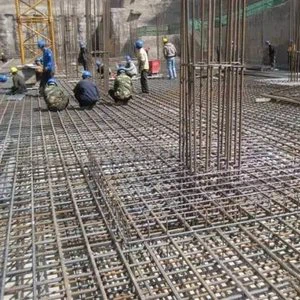
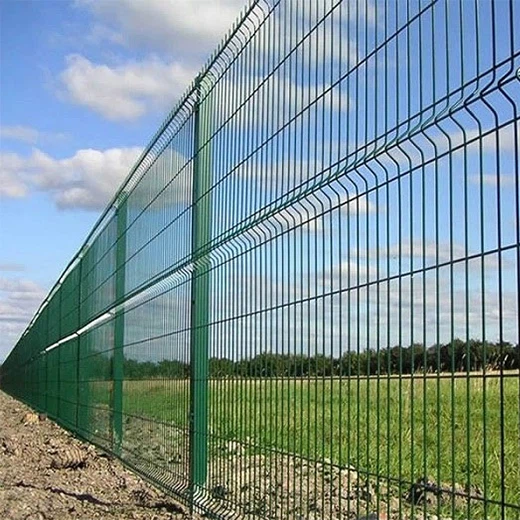
To use concrete footings, follow these steps:
- Mark the locations: Use stakes and string to mark the locations of the fence posts. Make sure the posts are evenly spaced and aligned.
- Dig the holes: Dig holes that are at least 2 feet deep and 12 inches in diameter. The depth and diameter of the holes may vary depending on the height and weight of the fence.
- Place the posts: Place the fence posts in the holes, making sure they are plumb and level. Use a level to check the alignment of the posts.
- Fill the holes with concrete: Mix the concrete according to the manufacturer's instructions and pour it into the holes around the posts. Use a trowel to smooth the surface of the concrete.
- Let the concrete cure: Allow the concrete to cure for at least 24 hours before attaching the metal mesh fencing to the posts.
Concrete footings are ideal for heavy-duty fences, such as those used for commercial or industrial applications. They provide excellent stability and support, even in areas with soft or sandy soil.
2. Ground Anchors
Ground anchors are another popular anchoring method for metal mesh fencing. This method involves driving metal anchors into the ground at an angle and attaching the fence to the anchors using brackets or clips. Ground anchors are available in various types and sizes, including screw anchors, auger anchors, and deadman anchors.
To use ground anchors, follow these steps:
- Mark the locations: Use stakes and string to mark the locations of the ground anchors. Make sure the anchors are evenly spaced and aligned.
- Drive the anchors into the ground: Use a hammer or a drill to drive the ground anchors into the ground at an angle. Make sure the anchors are firmly embedded in the soil.
- Attach the fence to the anchors: Use brackets or clips to attach the metal mesh fencing to the ground anchors. Make sure the fence is tightly secured to the anchors.
Ground anchors are ideal for temporary or lightweight fences, such as those used for residential or agricultural applications. They are easy to install and remove, making them a convenient option for fences that need to be moved or repositioned.
3. Post Drivers
Post drivers are a quick and easy way to anchor metal mesh fencing to the ground. This method involves using a post driver to drive the fence posts directly into the ground. Post drivers are available in various types and sizes, including manual post drivers, hydraulic post drivers, and pneumatic post drivers.
To use a post driver, follow these steps:
- Mark the locations: Use stakes and string to mark the locations of the fence posts. Make sure the posts are evenly spaced and aligned.
- Place the post driver over the post: Place the post driver over the top of the fence post and align it with the ground.
- Drive the post into the ground: Use the post driver to drive the fence post into the ground. Make sure the post is firmly embedded in the soil.
- Repeat the process: Repeat the process for each fence post, making sure the posts are evenly spaced and aligned.
Post drivers are ideal for soft or sandy soil, where it may be difficult to dig holes for concrete footings. They are also a convenient option for fences that need to be installed quickly and efficiently.
Tips for Anchoring Metal Mesh Fencing
In addition to choosing the right anchoring method, there are several tips that I recommend to ensure the proper installation and anchoring of metal mesh fencing:
- Use high-quality materials: Make sure to use high-quality metal mesh fencing and anchoring materials. This will ensure the durability and effectiveness of the fence.
- Follow the manufacturer's instructions: Always follow the manufacturer's instructions when installing and anchoring the metal mesh fencing. This will ensure the proper installation and performance of the fence.
- Check the alignment and level: Use a level to check the alignment and level of the fence posts and the metal mesh fencing. This will ensure the fence is straight and even.
- Secure the joints and connections: Make sure to secure the joints and connections between the fence posts and the metal mesh fencing using brackets, clips, or screws. This will prevent the fence from coming apart or sagging.
- Maintain the fence regularly: Regularly inspect and maintain the metal mesh fencing to ensure its proper functioning and longevity. This may include cleaning the fence, tightening the connections, and replacing any damaged or worn parts.
Conclusion
Anchoring metal mesh fencing to the ground is a crucial step in the installation process. By choosing the right anchoring method and following the tips outlined in this blog post, you can ensure the stability, durability, and effectiveness of the fence. Whether you're installing a fence for security, privacy, or containment, proper anchoring is essential to ensure the long-term performance of the fence.
If you're in the market for high-quality metal mesh fencing, I invite you to explore our range of products, including Coated Welded Wire Fencing, Steel Wire Mesh Sheets, and Metal Welded-Wire Fencing. Our products are made from high-quality materials and are designed to meet the needs of various applications.
If you have any questions or need further assistance with the installation or anchoring of metal mesh fencing, please don't hesitate to contact us. We're here to help you find the right solution for your fencing needs.
References
- "Fence Installation Guide." Home Depot.
- "How to Anchor a Fence." This Old House.
- "Types of Fence Anchors and How to Use Them." DIY Network.